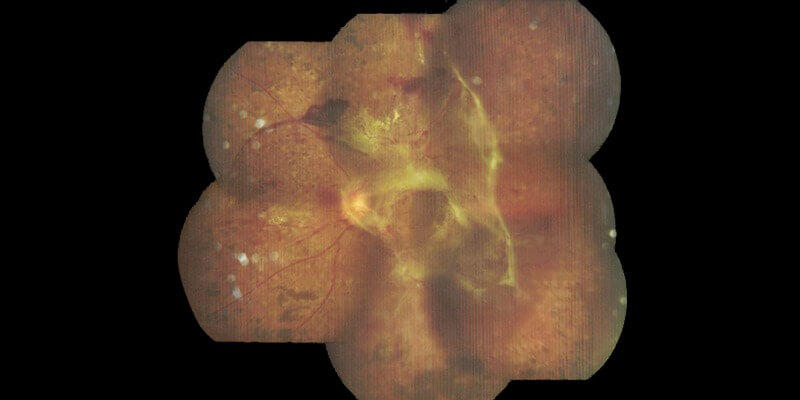
Blurry Vision – A Problem Which You May Encounter At Some Point
Having blurry vision may be considered a normal occurrence, which happens either sporadically or periodically. In some cases, blurry vision may appear due to reasons such as eye strain and an improper choice of prescription. Nevertheless, in other cases, blurry vision may become a sign of certain eye disorders and other diseases which require immediate treatment.
It may be important to know some facts about this problem.
What Is Blurred Vision?
Blurry vision is associated with a problem where things look hazy, unclear, distorted, or out of focus. It could happen in one or both eyes, continuously or occasionally.
There could be challenges with reading, seeing distant objects, identifying faces, or concentrating on screens. These issues might arise slowly or abruptly.
If you wonder about why your vision is blurry, then it could be because of various reasons.
Common Blurred Vision Causes
Blurry vision may be caused by several things. Finding out what the cause is essential to choosing the right treatment.
-
Refractive Errors
Near-sightedness, far-sightedness, and astigmatism could result in objects being blurred. An old prescription for glasses or contacts could also cause this.
-
Dry Eyes
A lack or poor quality of tears can lead to blurred vision, burning, irritation, and the feeling of grittiness. Long hours of screen work may exacerbate symptoms.
-
Eye Strain
Reading for extended periods, using the computer or smartphone without breaks may lead to temporary eye strain and difficulty concentrating.
-
Cataracts
Cataract is a condition where the eye’s natural lens becomes cloudy. The result may be blurry or clouded vision, light sensitivity, and problems seeing at night.
-
Glaucoma
There are some types of glaucoma that affect the optic nerve without any visible symptoms at all. Other types can create sudden pain in the eye along with vision changes.
-
Retinal Conditions
Retinal diseases may result in distorted vision. It is necessary to get an accurate diagnosis for some retinal diseases in order to prevent vision loss.
-
Diabetes
Diabetes may affect the blood vessels and tissues of the eye. A change in the level of blood sugar may sometimes lead to temporary visual changes, whereas diabetic eye disease will lead to more serious visual problems.
-
High Blood Pressure
The problem of uncontrolled high blood pressure can result in problems with blood vessels that supply blood to the retina and may lead to some vision problems.
-
Migraine
Some people have visual disturbances that come along with migraines. These visual disturbances include temporary blurry vision, flashing lights, zigzag lines, or blind spots.
-
Neurological Conditions
It is possible for neurological disorders to trigger vision problems. Any sudden visual problem without any identifiable cause, especially when accompanied by weakness of muscles, difficulty in speaking, a severe headache, or confusion, should not be taken lightly.
Sudden Blurred Vision: When to Worry
Unexpected blurry vision should not be dismissed, especially if it occurs abruptly or in combination with other symptoms.
You need to seek immediate medical care if you experience blurred vision in combination with any of the following:
- Abrupt loss of vision
- Severe eye pain
- Seeing new flashes or a rapid rise in floaters
- A dark curtain coming down over your vision
- Headache
- Weakness or numbness
- Trouble speaking
- Confusion or dizziness
- Eye redness
- Recent injury to the eye
Sudden changes can sometimes be associated with serious eye or neurological conditions. Prompt evaluation is important.
Blurry Vision in One Eye
One-eyed blurred vision may be the result of various reasons. Some of those reasons include refraction problems, dry eyes, corneal abnormalities, cataract, retina problems, optic nerve problems, or other eye disorders.
When one eye starts to become blurry suddenly without any reason, it needs to be checked immediately by an eye expert.
One should never think that having one eye blurred is due to tiredness or screen exposure.
Blurry Vision and Headache
Headache and blurred vision can go hand in hand due to various causes.
Some common causes are:
- Eye Strain
- Refractive error
- Migraine
- Prolonged use of screen
- Fatigue
- Some specific eye disorders
But the presence of severe headache along with sudden vision disturbances is an alarm that needs immediate medical attention.
Intermittent Blurred Vision
Intermittent blurriness implies that the issue appears periodically. Blurred vision can arise after spending long hours working on screens, during times of dry eye syndrome, or while looking back and forth from close to far away objects.
Blurred vision can be temporary if there are blood sugar fluctuations or other medical issues.
It is also helpful for the eye doctor to know when you experience the blurriness. The doctor can then try to determine if there are any specific triggers.
Can Diabetes or High Blood Pressure Cause Blurred Vision?
Yes. Both diabetes and high blood pressure may have an impact on your eyesight.
Diabetes may cause damage to the blood vessels in the retina, resulting in diabetic retinopathy and eventually even blindness. Changes in blood sugar levels may also cause temporary changes in your vision.
High blood pressure may also cause blood vessel damage in the retina, especially when uncontrolled.
Patients with either diabetes or high blood pressure need to have regular medical check-ups and eye exams.
Blurred Vision Treatment
The appropriate blurred vision treatment depends entirely on its underlying cause.
| Possible Cause | Common Management Approach |
| Refractive error | Updated glasses or contact-lens prescription |
| Dry eyes | Lubricating eye drops and lifestyle measures as advised |
| Eye strain | Regular screen breaks and appropriate visual habits |
| Cataract | Monitoring or cataract surgery when appropriate |
| Glaucoma | Prescription treatment, laser treatment, or surgery depending on the condition |
| Retinal disease | Specialist evaluation and condition-specific treatment |
| Diabetes-related eye disease | Blood sugar management and ophthalmic treatment |
| Migraine-related symptoms | Appropriate medical assessment and migraine management |
Treatment should be based on a professional diagnosis rather than self-treatment.
When Should You See an Eye Doctor?
Consider seeing an ophthalmologist if your vision is blurry:
- Continuously or intermittently
- Getting progressively worse
- Affecting only one eye
- Making it hard to read or engage in everyday activities
- Associated with eye pain or redness
- With flashes or floaters
- Suddenly
- Associated with other worrying symptoms
Some eye diseases may be detected through routine eye exams even before any symptoms appear. Therefore regular and detailed eye examination is essential for all age groups.
Conclusion
There are various reasons for blurred vision and these include simple reasons like refractive errors or dry eyes, retinal disease, optic nerve disease, or systemic diseases. Knowledge about blurred vision causes will enable you to know when you need expert help.
While there might be an easy explanation of a rare occurrence of slight blurred vision, sudden blurred vision, constant changes in your vision, or blurred vision in one eye must not be overlooked. In the same way, recurring temporary blurred vision or blurred vision with headache must not be neglected either.
When you notice unexplained or constant changes in your vision, seeing an eye doctor can help you find out the underlying cause and the correct blurred vision treatment. Neoretina can assist you with an eye-care assessment and management depending on your specific condition.
FAQ’s

- LASIK vs SMILE vs ICL: Which Eye Surgery Is Best for You - September 30, 2026
- Blurred Vision: Causes and When to Worry - September 10, 2026
- Stye vs Chalazion: Causes, Treatment, and Home Care - September 10, 2026