Blog

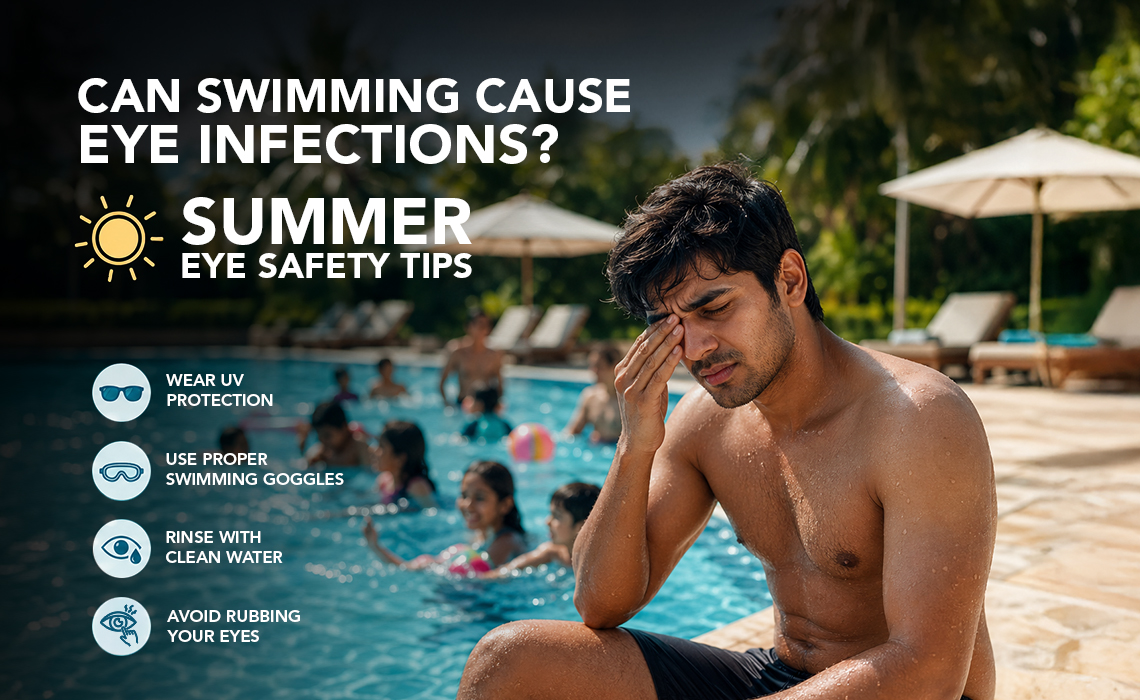
  • Can Swimming Cause Eye Infections? Summer Eye Safety Tips

    Can Swimming Cause Eye Infections? Summer Eye Safety Tips

    There are many things one can do during the summer and swimming surely is a best bet, feeling quite refreshing and full of fun. No matter how, whether it be in a pool, lake or ocean everyone loves water at any age. But what many do not, or so rarely know about is that there are times when swimming causes eye infections if not taken care of. When it comes to irritants in water or other chemicals, the eyes can also be involved and corneal ulcers can develop. With these warnings regarding swimming hazards, and provided you have summer care instructions, everyone can look forward to a fun family swim – without sacrificing eye well-being!

    Can Swimming Really Cause Eye Infections? 

    Yes, swimming can be linked with higher chances of Eye Infections if the water hygiene is not maintained water is or no precautionary steps are taken.

    Common causes include:

    • Chlorination and chemicals in pools
    • Pathogenic bacteria and viruses from polluted water
    • Incorrect Use of Contacts When Swimming
    • Poor hygiene practices

    Well, this means even clean water can contain germs which lead to swimming pool eye infection hence you should protect your eyes where possible.

    Why Do Eyes Get Irritated After Swimming?

    Swimming can also cause discomfort for the eyes. After swimming many people may raise some irritation which can sometimes alarm them.

    Reasons for irritation:

    • Chlorine stripping natural tear film
    • Saltwater causing dryness
    • Bacteria or allergens in water
    • Prolonged exposure without eye protection

    This can cause irritation, redness, burning and sensitivity to light.

    Common Eye Infections Linked to Swimming

    1. Conjunctivitis (Pink Eye)

    It is one of the most well-known infections for both viral or bacterial conjunctivitis.

    Viral vs Bacterial Conjunctivitis:

    Viral conjunctivitis: Contagious; observably clear watery discharge and redness

    Bacterial conjunctivitis: thick discharge from eyes, often antibiotics needed in future.

    Both patterns can develop following exposure to impure water.

    1. Corneal Ulcers (Serious Condition)

    Corneal ulcer can be one of the severest complications as far as infection is concerned that may arise from swimming. This is one of the cornea defects; there is an open sore on the surface and usually gets infected by bacteria, fungus or parasite.

    Risk factors include: 

    • Swimming with contact lenses
    • Exposure to unclean water
    • Delayed treatment of eye irritation

    Symptoms of corneal ulcers:

    • Severe eye pain
    • Redness and swelling
    • Blurred vision
    • Sensitivity to light
    • Discharge from the eye

    Without treatment, this could damage their vision permanently. Corneal ulcer management is crucial immediately in order to avoid complications.

    Symptoms of Eye Infections After Swimming

    Recognizing early symptoms of Eye Infections can help you seek timely treatment.

    Common signs include:

    • Redness in the eyes
    • Burning or itching sensation
    • Excessive tearing
    • Discharge (watery or thick)
    • Blurred vision
    • Sensitivity to light

    If these symptoms continue, immediate consultation of an eye specialist near me for proper diagnosis and treatment are highly recommended.

    Summer Eye Safety Tips

    Swimming naturally puts your eyes at risk, but taking the right steps to protect them is easy.

    Essential summer eye care tips:

    • Use swimming goggles to not let water fall directly
    • Do not swim in pools that are badly managed.
    • Do not open your eyes underwater in dirty water.
    • Remove contact lenses before swimming
    • Rinse any exposure with clean water after swimming
    • Do NOT touch/rub your eyes

    Taking such steps can help mitigate the risks of swimming pool eye infection and other complications.

    What to Do If You Experience Eye Irritation? 

    If you notice eye irritation after swimming, don’t ignore it.

    Immediate steps to take:

    Flush your eyes out with purified or saline water

    Avoid rubbing your eyes

    If needed, you can use lubricating eye drops

    Give your eyes a rest that doesn’t include the screen

    Seek care right away if symptoms get worse, or do not start to get better after a day or two.

    When to See a Doctor

    Many minor irritations may get better by themselves, but some require professional help.

    Visit Your Eye Specialist If You Have:

    • Persistent redness or pain
    • Vision changes
    • Sensitivity to light
    • Thick discharge
    • Symptoms persisting for greater than 2–3 days
    • Timely intervention can avert refractory corneal ulcers and persistent damage.

    Why Prevention is Better Than Cure?

    Eye infections can have a mild discomfort to vision-threatening disease spectrum. Prevention is better than the cure, always!

    But, if you follow basic hygiene protocols and wear appropriate swimming glasses, you can be with your swimming regime without compromising the health of your eyes.

    Conclusion

    Swimming is a fun and healthy form of exercise however, it can offer health risks for your eyes. However, if eye infections are left untreated then they can be as severe as corneal ulcers.

    With the basic summer eye care tips followed, timely seeking medical help (if necessary), you can be able to save your vision easily!

    Specialized eye care centers such as Neoretina that believe in preventive care and early treatment of eye disorders are highly recommended for effective diagnosis and high-end treatment of the condition. You can enjoy a productive summer in an unspoiled environment, safeguarding the fact at the same time, if you follow all the precautions during this season.
    FAQ’s

    1.Why do my eyes turn red after swimming?

    Eye redness occurs due to chlorine, saltwater or irritation from bacteria and allergens present in the water.

    2. How long do red eyes last after swimming?

    Any mild redness should disappear over the next hour or so — however if this continues for more than 1–2 days, or you notice any blistering of the rash or legs, please contact your doctor.

    3. 3. When should I see a doctor for an eye infection?

    If symptoms such as pain, discharge or blurred vision persist, see your doctor.

    4. What are the symptoms of an eye infection after swimming?

    It may include redness, itching, burning sensation, discharge, blurred vision and photophobia.

    5. What should I do if my eyes burn after swimming?

    Rinse eyes with clean drinking water, do not rub and lubricants. If there are any symptoms then no need to wait and immediately contact a doctor because it can be dangerous.

    6. How can I protect my eyes while swimming?

    You should never wear contact lenses in water, make sure to swim with underwater goggles and if you have to get in a polluted water wash your eyes.

  • How UV Rays Harm Your Eyes and Why Sunglasses Are Essential?

    How UV Rays Harm Your Eyes and Why Sunglasses Are Essential?

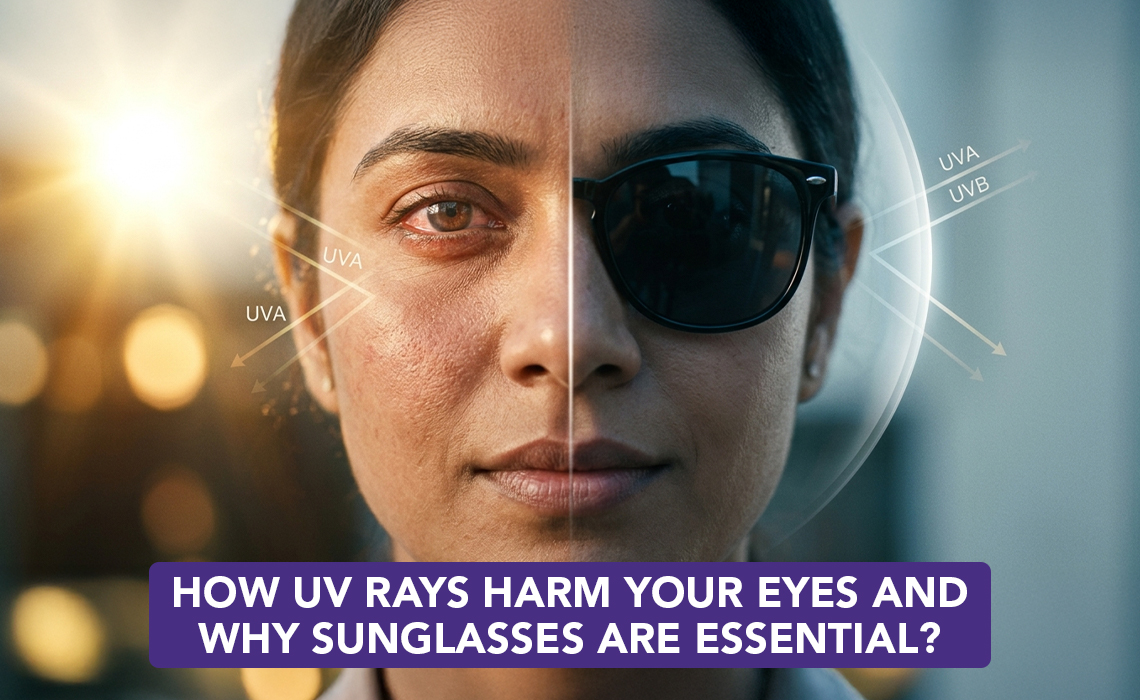
    Eye protection from the sun is just as important as skin protection. Most people know about the damaging effects UV rays can have on skin, but not as many realise that damage to the eyes from the sun poses serious potential long-term vision problems, too. Which is precisely why sunglasses aren’t merely a fashion accessory but they are also an essential for your eye health.

    This blog will explore how UV rays can affect your eyes, how crucial UV eye protection is to your ocular wellness and also the effect on your vision of protecting your eyeballs when selecting the best pair of sunglasses.

    How Do UV Rays Damage Your Eyes?

    Therefore, the UV rays of the suns are come in your eye and can affect delicate layers like cornea, lens and retina. But UV causes short-term potential risks and chronic eye disease.

    Effects of UV exposure:

    Damage to the cornea (photokeratitis)

    Increased risk of cataracts

    Retinal damage

    Accelerated ageing of eye tissues

    The fact of the matter is that you also get exposed to UV rays on cloudy days; So all year round protecting eyes from ultra violet rays needs to become a second habit.

    Common Eye Conditions Caused by UV Exposure

    1. Photokeratitis (Sunburn of the Eye)

    Extreme UV exposure can lead to a condition that includes pain, redness and light sensitivity with blurry vision.

    1. Pterygium

    Growth on the white part of the eye caused by too much UV exposure which can affect vision if left untreated.

    1. UV Eye Damage Symptoms

    Some common signs include:

    • Eye irritation
    • Redness
    • Blurry vision
    • Excessive tearing
    • Sensitivity to light

    Detecting the above UV eye damage symptoms early enables one to avoid complications.

    Age-Related Macular Degeneration and Cataract

    Long-term exposure to uv rays is primarily linked to severe eye diseases like age-related macular degeneration (AMD) and cataract.

    Age-Related Macular Degeneration (AMD) 

    AMD damages the retina and can cause a gradual loss of central vision. UV exposure causes retinal cells to degenerate faster but increases risk for this condition.

    Cataracts 

    Cataracts develop when the lens of the eye turns opaque, leading to blurred vision. As we age, everyone gets cataracts eventually. But excessive UV ray exposure can speed up this process, meaning that they will likely appear well before the eyes reach middle age as they might have originally intended.

    Regular use of the best sunglasses for eye health is required in these types of environments.

    How Do Sunglasses Protect Your Eyes?

    Sunglasses with essential UV protection serve as a shield against rays that can be harmful.

    How they help:

    99–100% of UVA and UVB rays

    Reduce glare and improve visibility

    Safeguard the delicate membranes surrounding your eyes

    Prevent long-term sun damage to eyes

    Quality sunglasses are a shortcut to ensure that the eyes will not be exposed to UV rays during our daily lives.

    Eye Health Benefits of Wearing Sunglasses

    When it comes to eye health, choosing the best pair of sunglasses is not just a matter of comfort.

    Key benefits:

    Decreases the risk of cataracts and AMD

    Prevents eye strain and fatigue

    Shield from dirt and environmental pollutants

    Improves visual clarity in high luminance environments

    Supports overall long-term eye health

    Sunglasses and drinking water seem to be very basic advice but not only they make sure eyes healthy but also help in keeping fit eyes even in summer.

    How to Choose the Right Sunglasses?

    Not all sunglasses offer optimal protection. Select the right pair, as proper UV eye protection.

    What to look for:

    100% UV protection label

    Large lenses for better coverage

    Polarised lenses to reduce glare

    Durable and comfortable frames

    Quality over style

    Tips for selecting the best sunglasses: 

    Stay away from bottom-of-the-barrel options that lack UV certification

    Opt for wraparound styles for optimal coverage

    Make sure to fit them correctly to avoid light

    The best sunglasses for eye protection, means that your eyes will be fully protected from damaging rays.

    Conclusion

    If you lack protection from UV rays, you are more at risk of developing serious eye diseases including cataracts and age-related macular degeneration. The great news is that wearing sunglasses every day will mean you can avoid most (if not all) of this damage. While this does a lot to protect your eyes from UV rays. 

    Sunglasses selection — we all know it well in summer. You simply need a pair that will protect your eyes and study for decades. Not just a fashion statement, but also an eye shield. When you put on sunglasses that protect your eyes, they really do block some of the UV rays. That way you can bask in the sunshine without concern for ruining your tender eyeballs. 

    Since eyes are delicate, utmost care should be given to eyes which brings us to the role of eye drops. That is the reason reputed eyecare institutions like Neoretina stress preventive measures such as UV protection. If you protect your eyes today, they will serve you well tomorrow.

    FAQ’s

    1.Can UV rays actually hurt your eyes?

    Yes, exposure to ultraviolet (UV) rays for an extended period can lead to diseases like cataract, photokeratitis and retinal damage.

    2. Eyewear with UV protection is key to maintaining your eyes’ health.

    However, 100% UV-blocking sunglasses, hats and avoiding direct sunlight during the hours of 10 AM to 5 PM can help protect your eyes from this type damage.

    3. Do all sunglasses provide UV protection?

    Not all sunglasses block UV rays, no. Look for labels that say 100 percent UVA and UVB protection.

    4. Are kids glasses UV protection requisite?

    Well, yes, they are sensitive to UV rays and should wear suitable sunglasses.

    5. At what stage should I consider an eye specialist on sun-related eye problems?

    Seek an eye specialist option if redness, soreness, blurred vision, or viral vs bacterial conjunctivitis continues.


  • Presbyopia (Age-Related Farsightedness): Causes, Symptoms, Diagnosis & Treatment

    Presbyopia (Age-Related Farsightedness): Causes, Symptoms, Diagnosis & Treatment

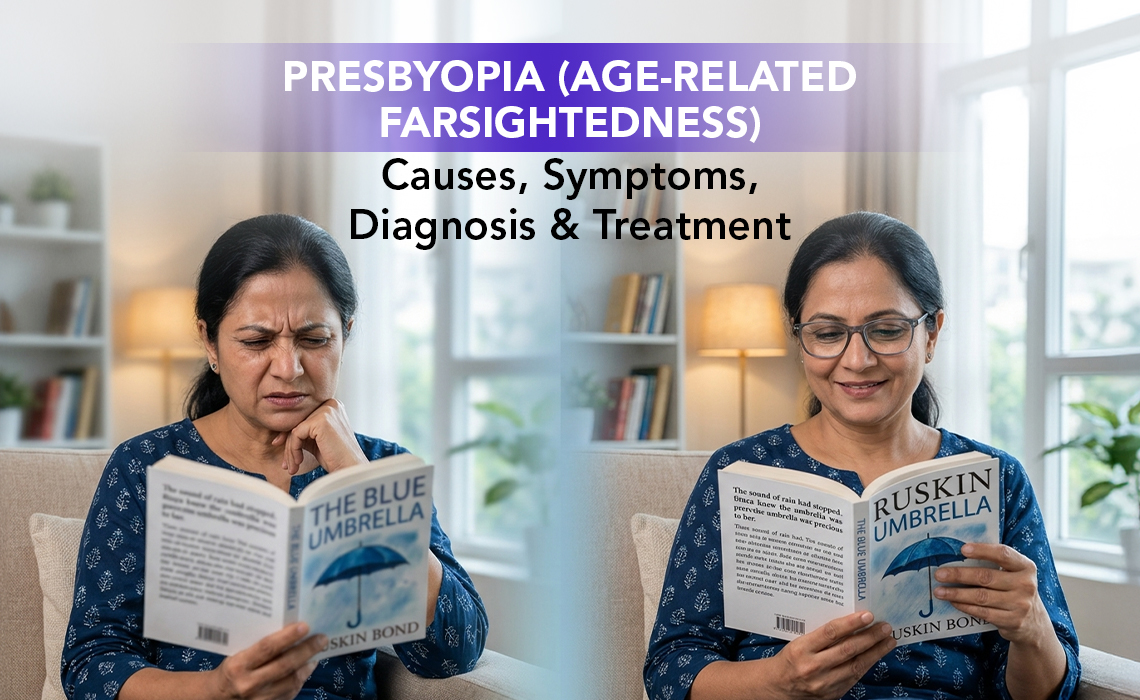
    Presbyopia is most commonly seen and begins to develop in the 40s with ageing. Presbyopia, also known as age-related long-sightedness or far-sightedness, is the age-related gradual loss of your eyes’ ability to focus on near objects. Most people first notice this change when, after age 40, they need reading glasses to read books, their smartphones, or small print.

    (more…)

  • Hypermetropia (Farsightedness): Causes, Symptoms, Diagnosis & Treatment

    Hypermetropia (Farsightedness): Causes, Symptoms, Diagnosis & Treatment

    Sight plays an important role in our daily routine, and any problem you have with focusing can make life a lot more complicated while reading, writing, or using any digital device. Hypermetropia (farsightedness/hyperopia) is a refractive error where far-off objects can be seen clearly and near ones appear blurred.

    (more…)

  • Eye Allergies vs Eye Infections: How to Tell the Difference

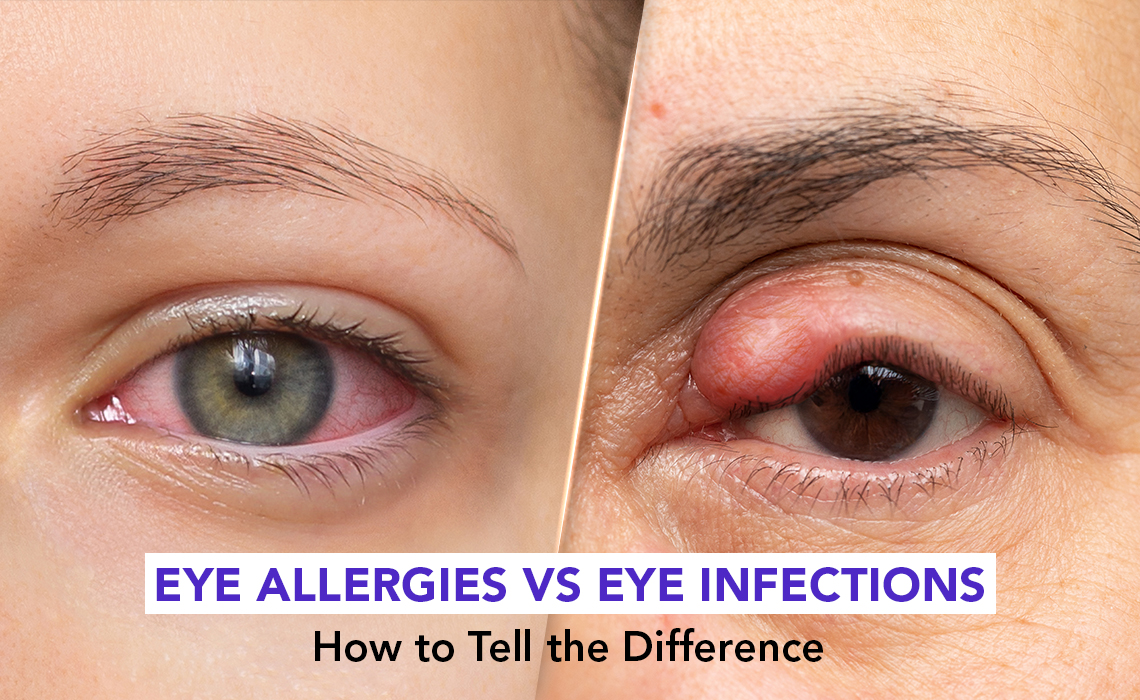
    Eye Allergies vs Eye Infections: How to Tell the Difference

    Red, itchy or watery eyes are something we all experience occasionally – in fact, most of the time it’s nothing to worry about. The symptoms of the allergic eye condition itching, redness and watering are often confused with infections. This distinction between eye allergy and eye infection is important because they have different causes, symptoms and treatments.

    (more…)

  • Night Vision Problems: Causes, Symptoms, and When to See an Eye Doctor

    Night Vision Problems: Causes, Symptoms, and When to See an Eye Doctor

    Night blindness, or difficulty seeing at night in low light, may be more than just an inconvenience: It could also be a sign of an eye condition. Problems with night vision can affect individuals of all ages and impair activities of daily living, such as driving, navigating in dimly lit environments or identifying faces after dusk. It is important to know these causes and the symptoms, as early diagnosis leads to immediate treatment.

    (more…)

  • Can Long-Term Use of Glasses Weaken Your Eyes? Myths vs Facts

    Can Long-Term Use of Glasses Weaken Your Eyes? Myths vs Facts

    If you have recently started wearing spectacles (or your prescription keeps changing), it is natural to wonder whether the long-term use of glasses can make your eyes “lazy” or worsen eye power.  This concern is one of the most common vision myths and facts topics eye doctors hear, especially from students, working professionals, and parents of children prescribed specs.​​

    (more…)
  • Why Glaucoma Is Called the Silent Thief of Sight – Early Detection Saves Vision

    Why Glaucoma Is Called the Silent Thief of Sight – Early Detection Saves Vision

    Glaucoma is referred to as the “silent thief of sight” because it can damage the optic nerve gradually while showing little to no early Glaucoma symptoms, where the vision loss can be permanent. The most reliable way to protect sight is early detection. Routine eye checks and timely treatment to slow progression can prove to be very helpful.

    (more…)

  • Morning Eyelid Swelling: Common Causes & Simple Solutions

    Morning Eyelid Swelling: Common Causes & Simple Solutions

    Discovering a difference in your look after a night of sleep can be a shocking experience, in particular, if there is eyelid swelling. A great number of people find that their eyelids are swollen during their morning routine, thus they become scared and worried about their health. The skin around the eyes is one of the thinnest parts of the human body, so it is extremely sensitive and has a tendency to swell with any kind of liquid. Knowing the cause of such a problem is actually the way back from panic to calm. While it is often a temporary reaction to environmental factors, it requires a gentle and thoughtful approach to management.

    (more…)

  • How Your Eyelids Protect Your Vision: A Deep Dive Into Eyelid Anatomy & Function

    How Your Eyelids Protect Your Vision: A Deep Dive Into Eyelid Anatomy & Function

    Our eyes are perhaps the most delicate windows to the world, and their safety depends on a complex structure known as eyelid anatomy. This thin layer of skin and tissue is more than just a cover; it is a sophisticated system that ensures our sight remains clear and moist. When we consider the fragility of the human eye, understanding the intricate eyelid anatomy becomes essential for appreciating how we perceive our surroundings. Here, we explore the layers that guard our vision with a quiet, empathetic focus on their vital role. (more…)